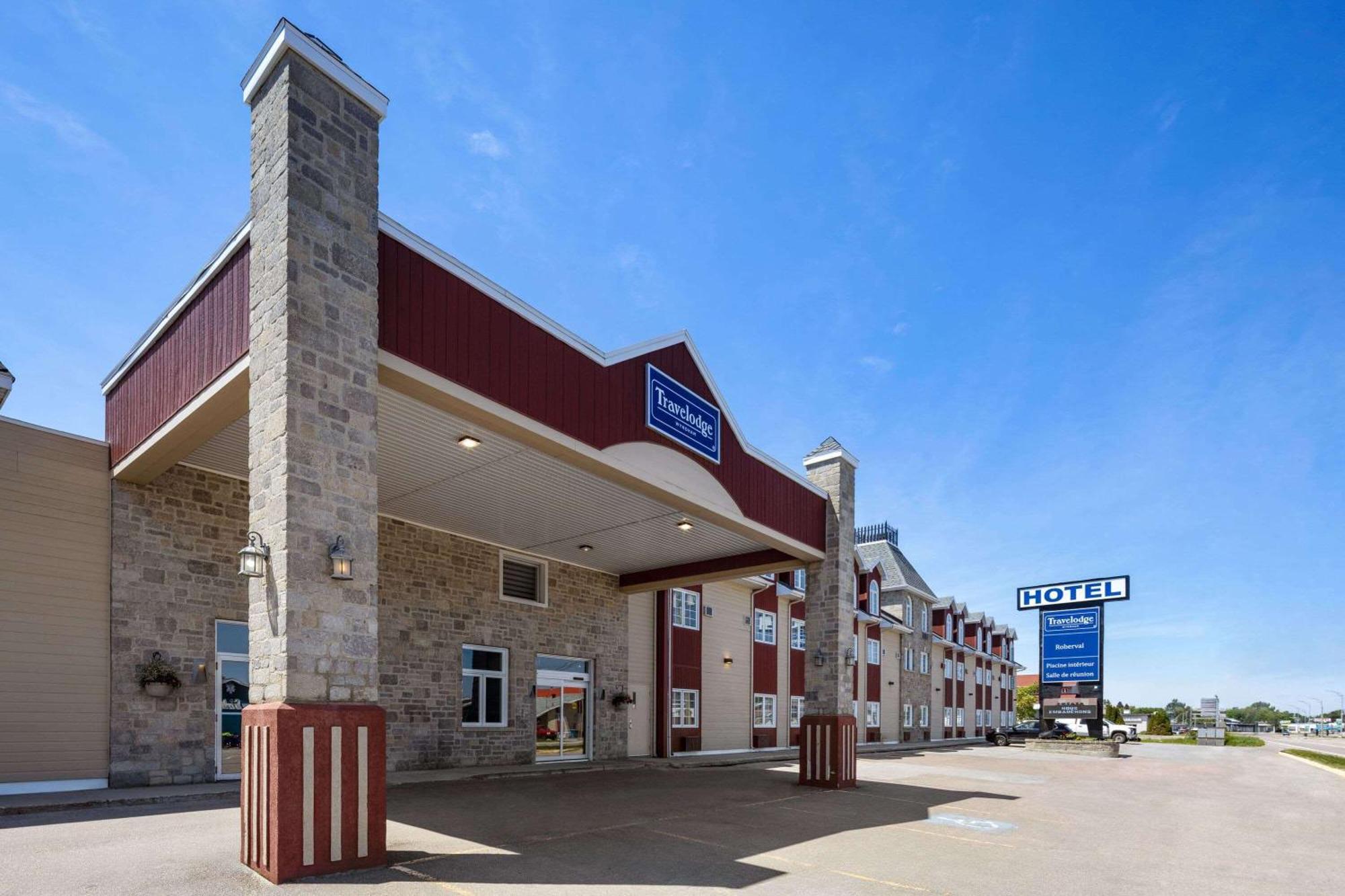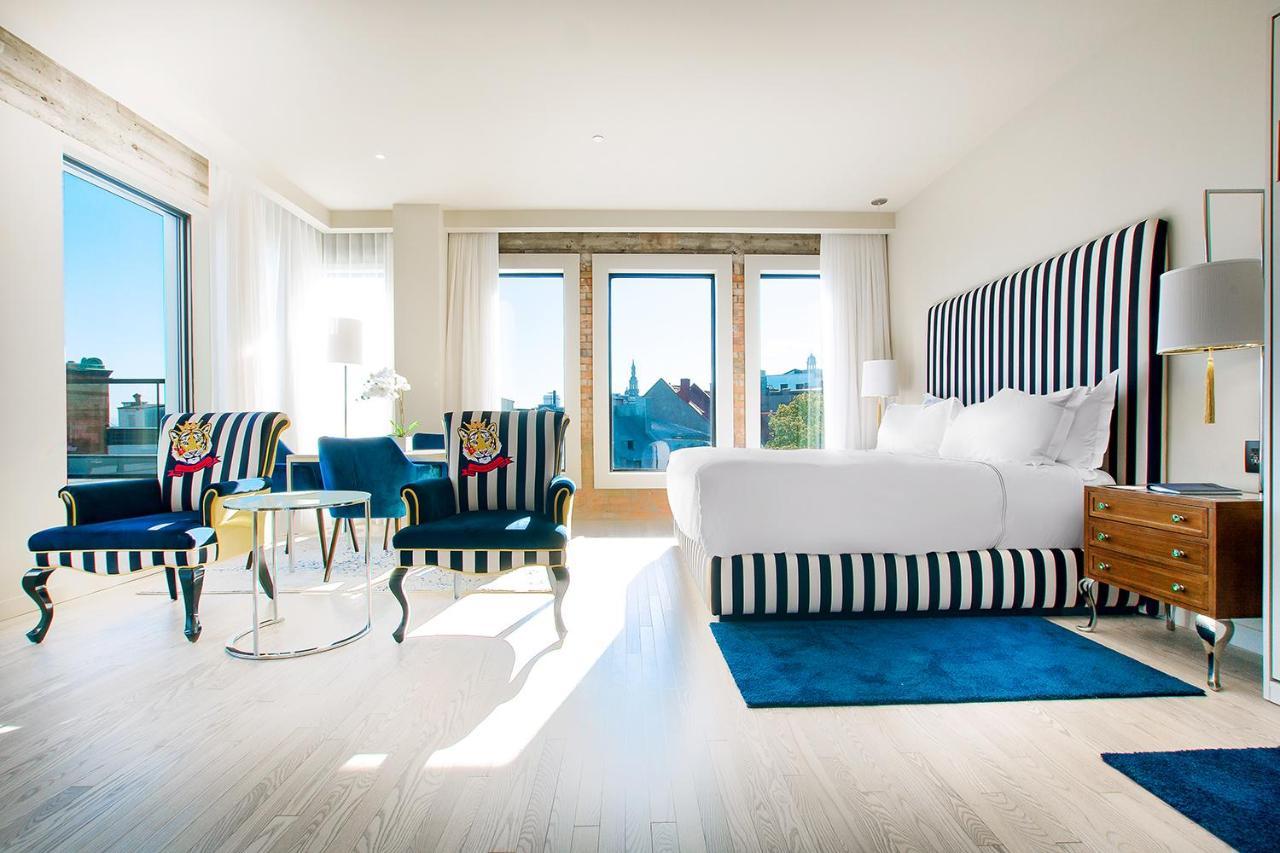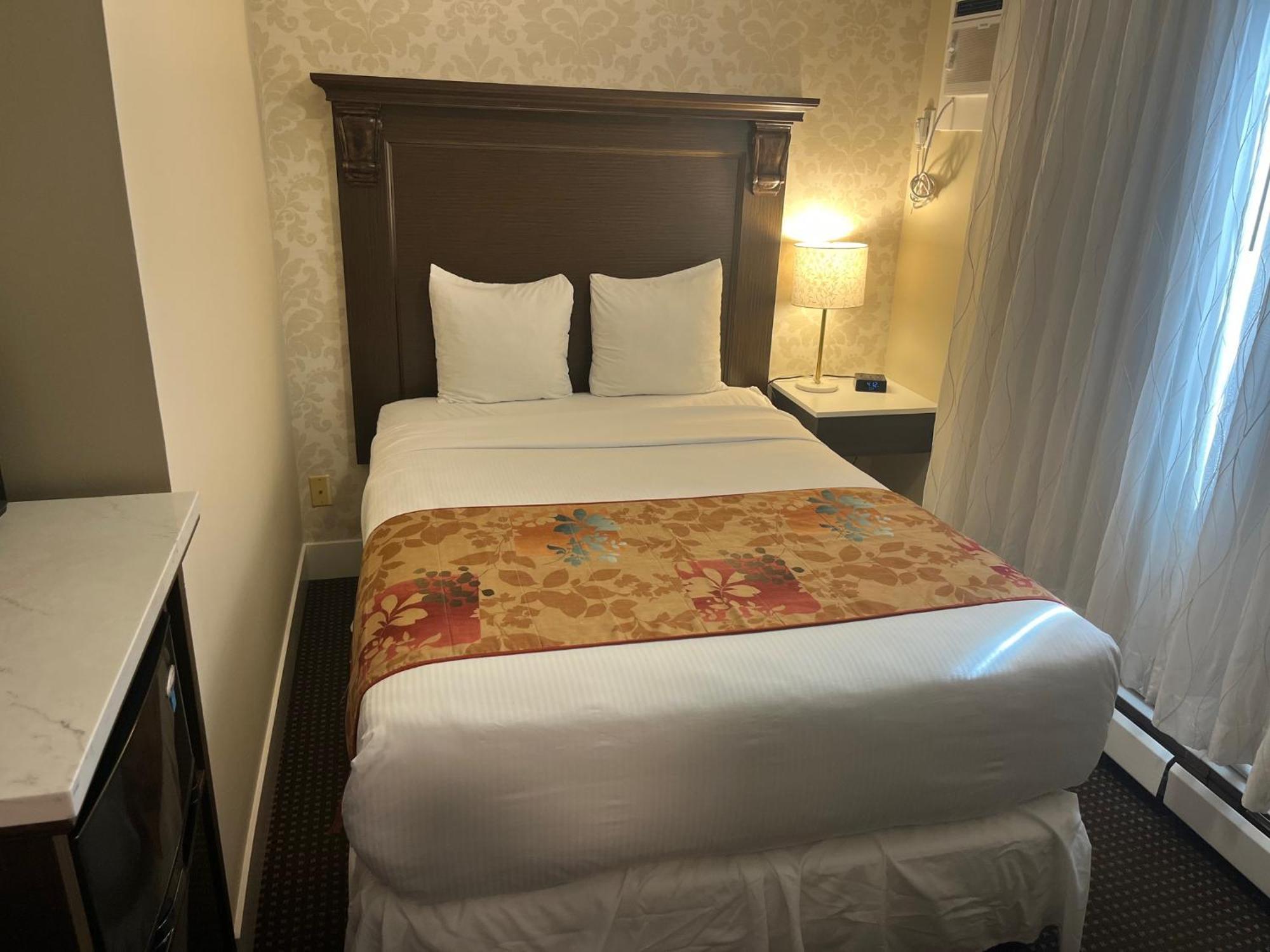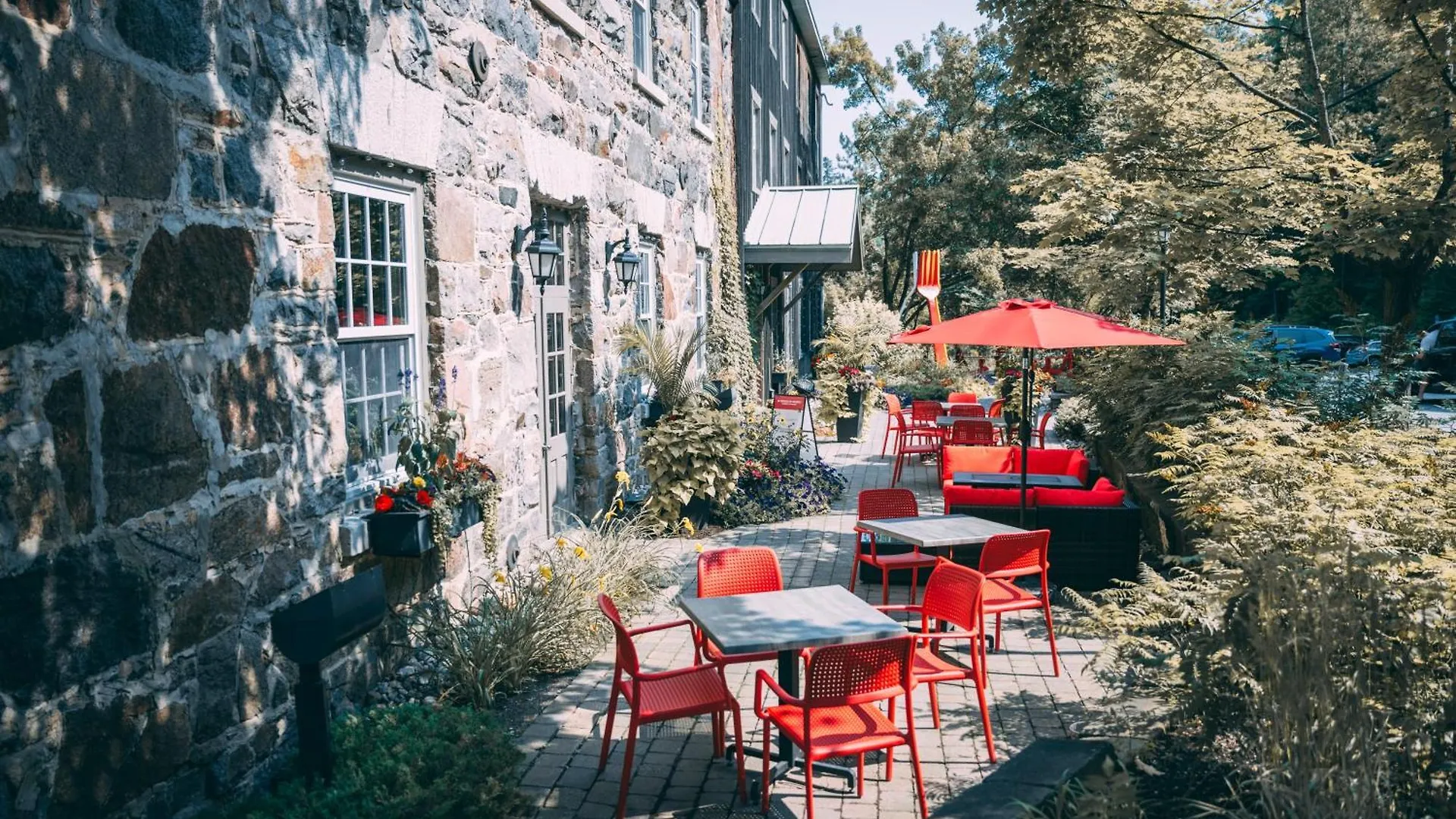
Canada spans nearly 10 million square kilometres, and where you sleep matters as much as where you travel. These seven hotels earned strong comfort ratings from verified guests - covering Quebec's river valleys, Nova Scotia's coastline, Alberta's Rockies, the Northwest Territories, and the Yukon. Whether you're road-tripping through multiple provinces or settling into one region, this guide helps you match the right property to your itinerary.
What It's Like Staying in Canada
Canada's sheer geographic diversity means a hotel stay in Kananaskis Village feels nothing like one in Whitehorse or Alma, Quebec - and that contrast is precisely the point. Travellers moving between provinces often need to rethink their accommodation logic: a city-centre hotel works in Whitehorse, but remote lodges near Kananaskis require advance booking months out. Free private parking is a practical standard across most properties outside major urban centres, reflecting Canada's road-trip culture. Crowd pressure is heavily seasonal - summer draws the bulk of nature-focused visitors, while winter attracts skiers and aurora chasers, particularly in the Northwest Territories and Alberta. Airports in smaller regions like Alma (Bagotville, 69 km away) and Little Current (Greater Sudbury, around 146 km away) require self-driving plans from the start.
Pros:
- Extraordinary regional variety - mountains, boreal forests, Atlantic coastlines, and subarctic landscapes within a single country
- Most comfort-rated hotels outside cities include free parking and outdoor access to hiking or skiing
- Strong bilingual infrastructure in Quebec makes French-speaking travellers feel at home without language barriers
Cons:
- Distances between attractions and accommodation are significant - some properties sit over 100 km from the nearest major airport
- Shoulder-season availability can be limited in remote areas like Kananaskis Village or Port Dufferin
- Accommodation quality varies sharply between provinces, making comfort ratings a more reliable filter than star categories
Why Choose Comfort-Rated Hotels in Canada
In Canada, a high comfort rating from guests typically signals something specific: functional rooms, reliable amenities, and properties that deliver on what they promise rather than cutting corners. Comfort-rated properties here often outperform their star classification - a motel in Nova Scotia with a hot tub and garden can rank higher in guest comfort than a standard business hotel in a provincial city. Pricing across the properties in this guide varies considerably by region: glamping in Kananaskis or a spa inn in Wakefield commands a premium, while properties in Little Current or Alma represent strong value for travellers watching their budget. Room sizes in comfort-rated Canadian hotels outside cities tend to be generous, especially motels and lodges where parking and outdoor space are built into the property layout. The trade-off is almost always proximity to services - strong comfort ratings often come from quieter, more rural settings where the surrounding nature compensates for fewer dining options within walking distance.
Pros:
- Guest-verified comfort ratings filter out properties that underdeliver on basics like bedding, bathrooms, and cleanliness
- Many comfort-rated hotels in Canada include extras - hot tubs, saunas, terraces, or private beach areas - at no additional cost
- Rural and semi-rural properties offer more space per room compared to urban equivalents at similar price points
Cons:
- High comfort-rated hotels in scenic areas like Gatineau Park or Kananaskis book up quickly in summer, often around 8 weeks in advance
- Properties in remote locations may offer limited on-site dining, requiring meal planning before arrival
- Comfort scores can mask differences in connectivity - some properties with excellent ratings sit far from public transport networks
Practical Booking & Area Strategy
Quebec provides two distinct comfort-rated stays in this guide: Alma in the Saguenay-Lac-Saint-Jean region for outdoor-focused travellers, and Wakefield in Gatineau Park, which sits within a 30-minute drive of Ottawa - making it a logical base for visitors combining nature and the capital. Nova Scotia's Port Dufferin is a coastal detour best positioned as part of a wider Maritime road trip, with Halifax Stanfield International Airport around 114 km away. In Alberta, Kananaskis Village is the strategic entry point for the Canadian Rockies without the price pressure of Banff - Calgary International Airport connects you in around 103 km. For northern travel, Whitehorse in the Yukon offers the best urban infrastructure in Canada's territories, with a free airport shuttle making arrival logistics simple. Yellowknife accommodations near Great Slave Lake serve travellers chasing the Northern Lights between September and March, while Manitoulin Island in Ontario rewards those willing to drive for genuine isolation on the world's largest freshwater island.
Quebec: River Inns & Spa Retreats
Quebec accounts for two of the most distinct comfort-rated properties in this guide - one a countryside inn with a full spa on the La Pêche River, the other a straightforward guesthouse base in the Saguenay region. Both benefit from Quebec's strong outdoor activity infrastructure and bilingual hospitality culture.
-
1. Moulin Wakefield Mill Hotel & Spa
Show on map


 Check-infrom 16:00 until 23:00Check-outuntil 11:00
Just a few rooms left at the best rate!
fromC$ 261
-
2. Le Saint-Creme, Alma
Show on map


 Check-infrom 16:00 until 23:59Check-outuntil 10:00
Just a few rooms left at the best rate!
fromC$ 130
Nova Scotia, Ontario & Alberta: Coastal, Island & Mountain Stays
These three properties cover Canada's geographic range from the Atlantic coast to the Rocky Mountain foothills, each with a distinct comfort proposition - a coastal motel with a hot tub in Nova Scotia, a self-contained island motel in Ontario, and mountain glamping in Kananaskis, Alberta.
-
1. The Marmalade Motel
Show on map


 Check-infrom 15:00 until 23:59Check-outuntil 10:00
Just a few rooms left at the best rate!
fromC$ 288
-
2. Manitoulin Motel
Show on map


 Check-infrom 15:00 until 23:00Check-outuntil 10:00
Hurry – almost gone at this price!
fromC$ 210
-
5. Skyridge Glamping
Show on map


 Check-infrom 16:00 until 23:00Check-outfrom 09:00 until 10:00
Hurry – almost gone at this price!
fromC$ 1286
Northwest Territories & Yukon: Northern Canada Lodges
Canada's northern territories require the most logistical planning but deliver experiences unavailable anywhere else - aurora viewing, subarctic lake landscapes, and Indigenous cultural history. These two properties anchor the northern section of this guide.
-
6. Yellow Dog Lodge, Inc.
Show on map


 Check-infrom 14:00 until 17:00Check-outfrom 09:00 until 13:00
Rooms filling fast – secure the best rate!
fromC$ 526
-
7. Edgewater Hotel
Show on map


 Check-infrom 15:00 until 23:59Check-outuntil 11:00
Rooms filling fast – secure the best rate!
fromC$ 326
Smart Travel & Timing Advice for Canada
Canada's peak travel window runs from late June through August, when national parks, coastal routes, and mountain villages operate at full capacity. Kananaskis and Gatineau Park properties book up around 8 weeks in advance during July and August - waiting until two weeks before arrival in summer will significantly narrow your options at comfort-rated properties. The Northern Lights season in Yellowknife peaks between late September and March, making Yellow Dog Lodge more competitive to book in that window than during the summer months. Whitehorse and Alma see shoulder-season lows in April and May, when prices drop and crowds thin, but some outdoor activities are limited. For Manitoulin Island, the ferry schedule from Tobermory operates only from late May to mid-October, which directly affects when a stay at Manitoulin Motel makes sense as part of a broader Ontario itinerary. A stay of at least three nights is recommended in remote properties like Skyridge Glamping or Yellow Dog Lodge to justify the travel distance involved. Last-minute deals exist in Nova Scotia's off-season (October through April), but Marmalade Motel's size means room availability is genuinely limited regardless of season.