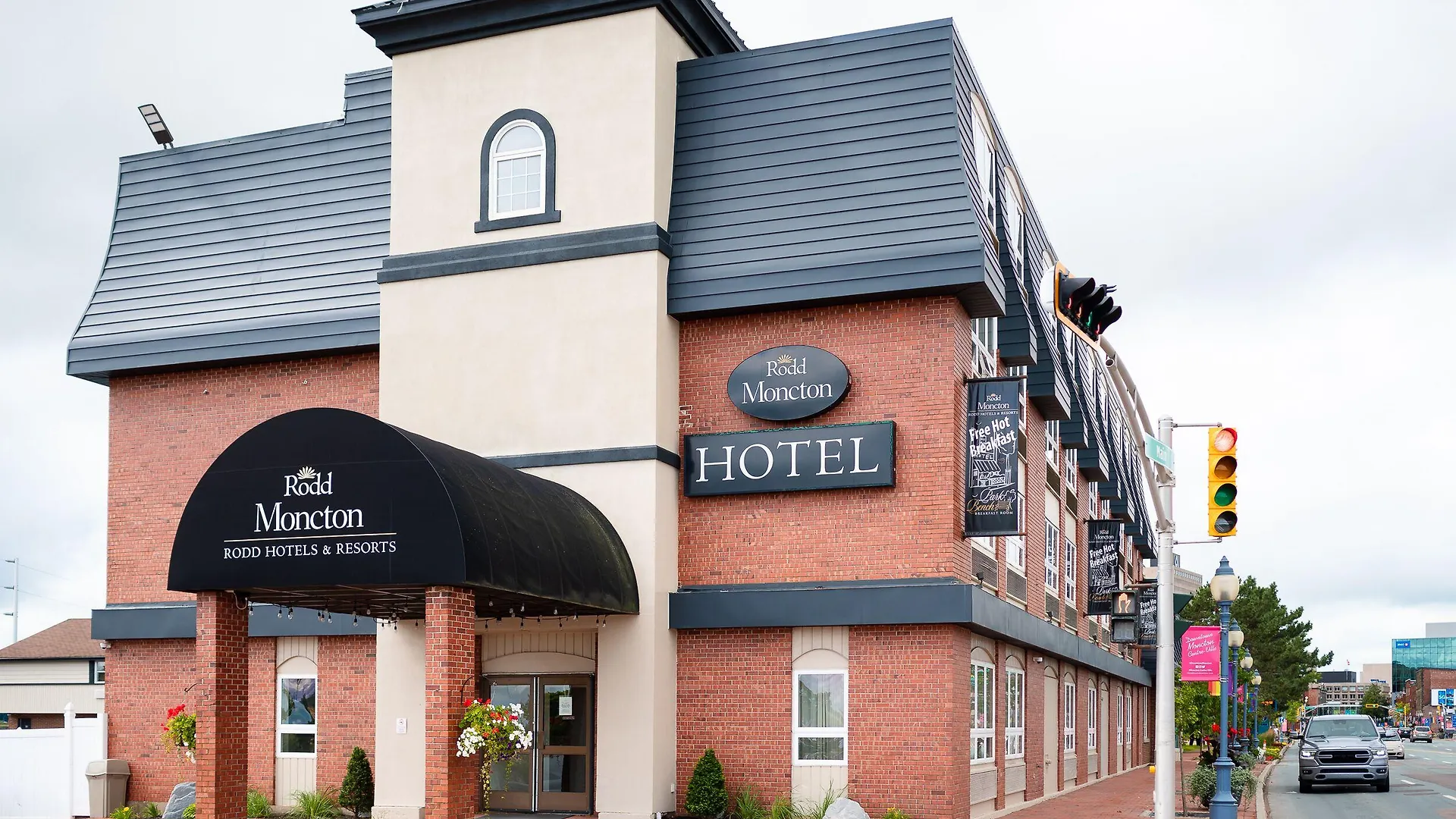
Acadia spans a vast stretch of Atlantic Canada - covering Nova Scotia, New Brunswick, and Prince Edward Island - where historic port cities, tidal river towns, and coastal fishing villages each offer a distinct base for exploration. Staying in a centrally located hotel here means faster access to iconic landmarks like Hopewell Rocks, the Fortress of Louisbourg, and the Bay of Fundy, without burning time on long rural drives. This guide covers 15 central hotels across Acadia's key destinations to help you book smarter.
What It's Like Staying In Acadia
Acadia's geography is decentralized by nature - there is no single urban hub, but rather a collection of city centers like Halifax, Moncton, Fredericton, and Saint John, each functioning as regional anchors with their own transport rhythm and visitor crowd. Car travel is almost unavoidable outside of Halifax, where walking distances between attractions can stretch well beyond what public transit reliably covers. Summer months between June and August are peak season, with coastal towns like Alma, Louisbourg, and North Rustico seeing visitor surges that can fill centrally located hotels weeks in advance.
Travelers who benefit most from staying centrally in Acadia are those planning multi-site itineraries - combining heritage sites, seafood dining, and natural landmarks within a single trip. Visitors focused on one city, such as Halifax or Moncton, will find central hotels give walking access to waterfront areas, museums, and local dining without relying on rental cars for every outing. Those seeking pure nature immersion in places like Cape Breton or Fundy National Park may find that smaller inns or cottages directly adjacent to parks suit them better than city-center properties.
Pros:
- Central hotels in cities like Halifax and Moncton place you within walking distance of waterfront boardwalks, museums, and main dining strips
- Staying centrally reduces daily driving significantly - critical in a region where attractions can be spread across around 400 km of coastline
- Most central hotels in Acadia offer free parking, a practical advantage given how car-dependent regional travel is
Cons:
- Central locations in Moncton and Saint John can experience traffic noise near the Petitcodiac River corridor and downtown arteries
- Peak summer pricing in Halifax city center can be noticeably higher than comparable rooms in surrounding towns
- Smaller central towns like Baddeck or Sackville have very limited dining and nighttime activity near even the most centrally placed hotels
Why Choose Central Hotels In Acadia
Central hotels in Acadia's main cities deliver a practical advantage that more remote accommodations simply cannot - immediate proximity to ferry terminals, heritage sites, and regional transport links that are not always served by public buses or taxis. In Halifax, a centrally located hotel puts you minutes from Citadel Hill, the Historic Properties waterfront, and Casino Nova Scotia, eliminating the need for a rental car on city days. In Moncton, downtown positioning means the Tidal Bore observation deck and Champlain Mall are reachable on foot, while Highway NB 15 access makes Hopewell Rocks a day trip rather than an overnight commitment.
Room sizes in central Acadian hotels are typically standard to generous by Atlantic Canada standards - most properties in this guide include work desks, flat-screen TVs, and coffee-making facilities as baseline amenities rather than upgrades. The trade-off is that centrally located hotels, particularly in Halifax and Saint John, tend to price around 20% higher than equivalent rooms on the city outskirts during the July-August peak. Noise levels in downtown cores vary: Fredericton's central area is notably quiet compared to Halifax's Spring Garden Road corridor, where weekend foot traffic continues late into the evening.
Pros:
- Walkable access to ferry terminals, museums, and waterfront dining - eliminating daily car dependency in Halifax and Moncton
- Most central Acadian hotels include free parking, absorbing a cost that paid city parking would otherwise add up to daily
- Breakfast is included or available at the majority of properties in this selection, reducing the daily budget further
Cons:
- Downtown Halifax and Moncton hotels carry a price premium of around 20% over suburban equivalents during peak summer months
- Smaller central towns like Sackville or Antigonish offer fewer walkable dining and entertainment options after 9 PM
- Some centrally located hotels in heritage buildings trade modern soundproofing for period character, which can affect light sleepers
Practical Booking & Area Strategy
Halifax is Acadia's most self-contained city base - staying centrally here gives walking access to Citadel Hill, the Pier 21 Museum, the waterfront boardwalk, and multiple restaurant districts, all without a car. Moncton's downtown positions you within easy reach of Magnetic Hill, Hopewell Rocks (around 39 km east), and the Tidal Bore, making it the strongest hub for Bay of Fundy day trips. Fredericton suits travelers focused on the Saint John River valley, with the Beaverbrook Art Gallery and Christ Church Cathedral both reachable on foot from central hotels. Book at least 6 weeks ahead for July and August stays in Halifax and Moncton, as central inventory fills quickly with both leisure travelers and conference groups. For coastal Nova Scotia destinations like Louisbourg, Yarmouth, and Port Hawkesbury, there is no public transport link - a rental car is non-negotiable, making free hotel parking a key selection factor. Antigonish and Baddeck work best as overnight waypoints on the Cabot Trail or Trans-Canada Highway route rather than multi-night bases, given their limited evening activity. Saint John's central hotels provide quick access to the Stonehammer UNESCO Geopark and the Bay of Fundy's reversing falls, two of the region's most visited natural attractions.
Best Value Central Hotels
These properties deliver strong central positioning across Acadia's key cities at accessible price points, with practical facilities including free parking, breakfast, and consistent connectivity for both leisure and business travelers.
-
1. Rodd Moncton
Show on map


 Check-infrom 15:00 until 23:59Check-outuntil 11:00
Best price guarantee
fromC$ 148
-
2. Coastal Inn Sackville
Show on map


 Check-infrom 15:00 until 23:59Check-outuntil 12:00
Hurry – almost gone at this price!
fromC$ 120
-
3. Quality Inn & Suites Quispamsis
Show on map


 Check-infrom 15:00 until 23:59Check-outuntil 11:00
Best price guarantee
fromC$ 130
-
4. Ceilidh Country Lodge
Show on map


 Check-infrom 15:00 until 22:00Check-outfrom 07:00 until 11:00
Just a few rooms left at the best rate!
fromC$ 131
-
5. Alma Shore Lane Suites & Cottages
Show on map


 Check-infrom 15:00 until 21:00Check-outfrom 07:00 until 11:00
Rooms filling fast – secure the best rate!
fromC$ 173
-
6. Blue Crest Cottages
Show on map


 Check-infrom 15:00 until 20:00Check-outuntil 10:00
Best price guarantee
fromC$ 279
-
7. Best Western Plus, Bathurst Hotel & Suites
Show on map


 Check-infrom 15:00 until 23:59Check-outuntil 11:00
Best price guarantee
fromC$ 197
Best Premium Central Stays
These properties combine stronger central positioning in Acadia's most visited cities with elevated facilities, dining options, and landmark proximity - suited to travelers who want a more complete in-hotel experience alongside their regional exploration.
-
8. Atlantica Hotel Halifax
Show on map


 Check-infrom 15:00 until 23:59Check-outuntil 12:00
Rooms filling fast – secure the best rate!
fromC$ 132
-
2. Garden South Park Inn
Show on map


 Check-infrom 15:00 until 22:30Check-outfrom 09:00 until 11:00
Hurry – almost gone at this price!
fromC$ 132
-
10. Carriage House Inn
Show on map


 Check-infrom 15:00 until 21:00Check-outuntil 11:00
Just a few rooms left at the best rate!
fromC$ 130
-
4. Chateau Saint John Trademark Collection By Wyndham
Show on map


 Check-infrom 15:00 until 23:59Check-outfrom 01:00 until 11:00
Best price guarantee
fromC$ 175
-
5. Maritime Inn Antigonish
Show on map


 Check-infrom 15:00 until 23:59Check-outuntil 11:00
Hurry – almost gone at this price!
fromC$ 174
-
6. Rodd Grand Yarmouth
Show on map


 Check-infrom 15:00 until 23:59Check-outuntil 11:00
Rooms filling fast – secure the best rate!
fromC$ 138
-
7. North Star Beach Suites
Show on map


 Check-infrom 15:00 until 19:00Check-outuntil 11:00
Best price guarantee
fromC$ 297
-
8. Maritime Inn Port Hawkesbury
Show on map


 Check-infrom 16:00 until 23:59Check-outuntil 11:00
Just a few rooms left at the best rate!
fromC$ 168
Smart Travel & Timing Advice For Acadia
July and August are peak months across all of Acadia - central hotels in Halifax and Moncton fill fastest during this window, with availability for prime properties often exhausted around 6 weeks before arrival. The Cabot Trail, Hopewell Rocks, and Fortress of Louisbourg each see their highest visitor counts in August, which drives both road congestion and accommodation pricing upward across the region simultaneously. June is the strongest balance month: weather is reliable for coastal hiking and driving routes, crowds are around 30% lighter than August, and central hotel rates in Halifax and Saint John are meaningfully lower than peak summer pricing.
September brings the beginning of fall foliage across New Brunswick and Cape Breton - a second busy season that catches many travelers off guard with sold-out inventory in Baddeck, Antigonish, and the Yarmouth ferry corridor. Winter stays work well only in Halifax and Moncton, where dining, museums, and indoor attractions remain active year-round; coastal properties in Louisbourg, Alma, and North Rustico operate on reduced or closed schedules from November through April. For the Fundy and Cape Breton circuits, a minimum of 3 nights based in the region allows time to cover major attractions without daily extreme driving distances - attempting either circuit in a single overnight stop results in a rushed, surface-level experience.