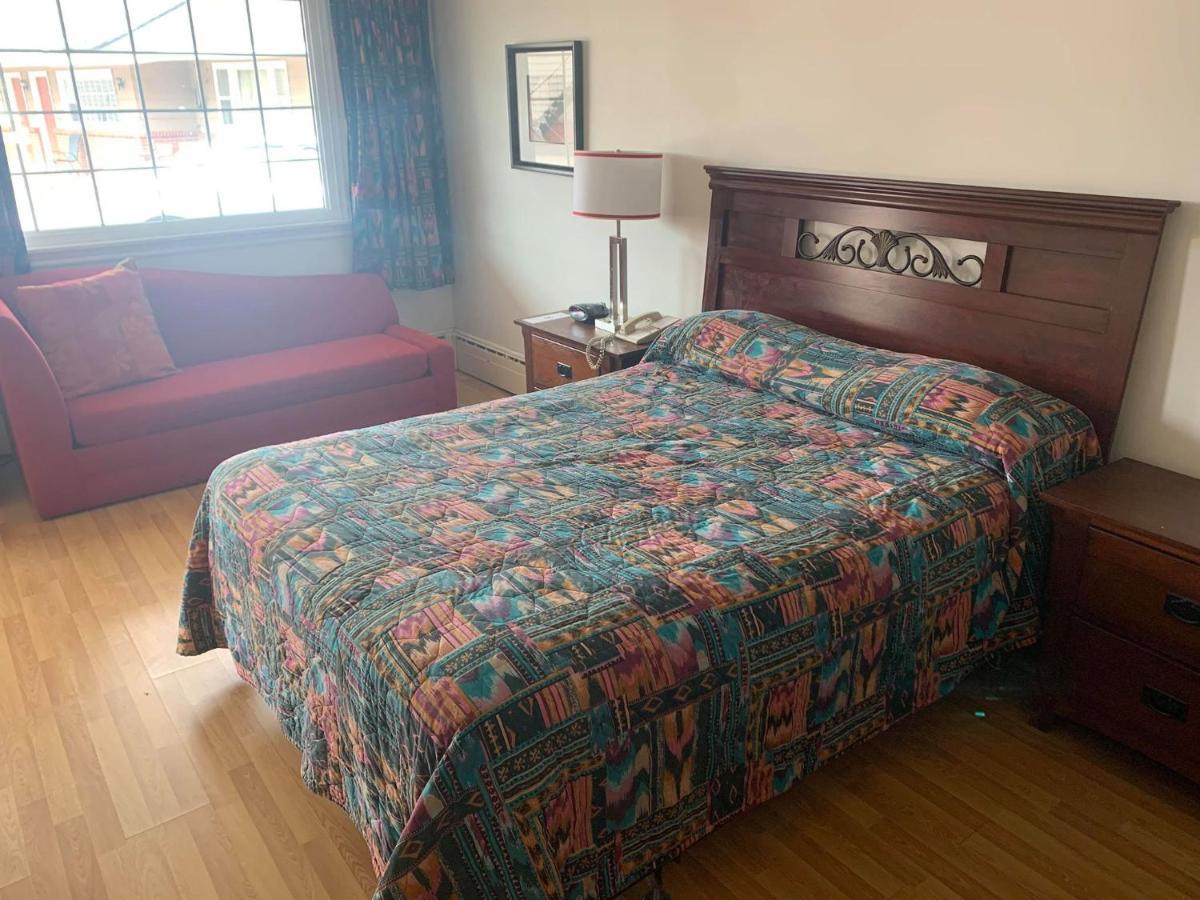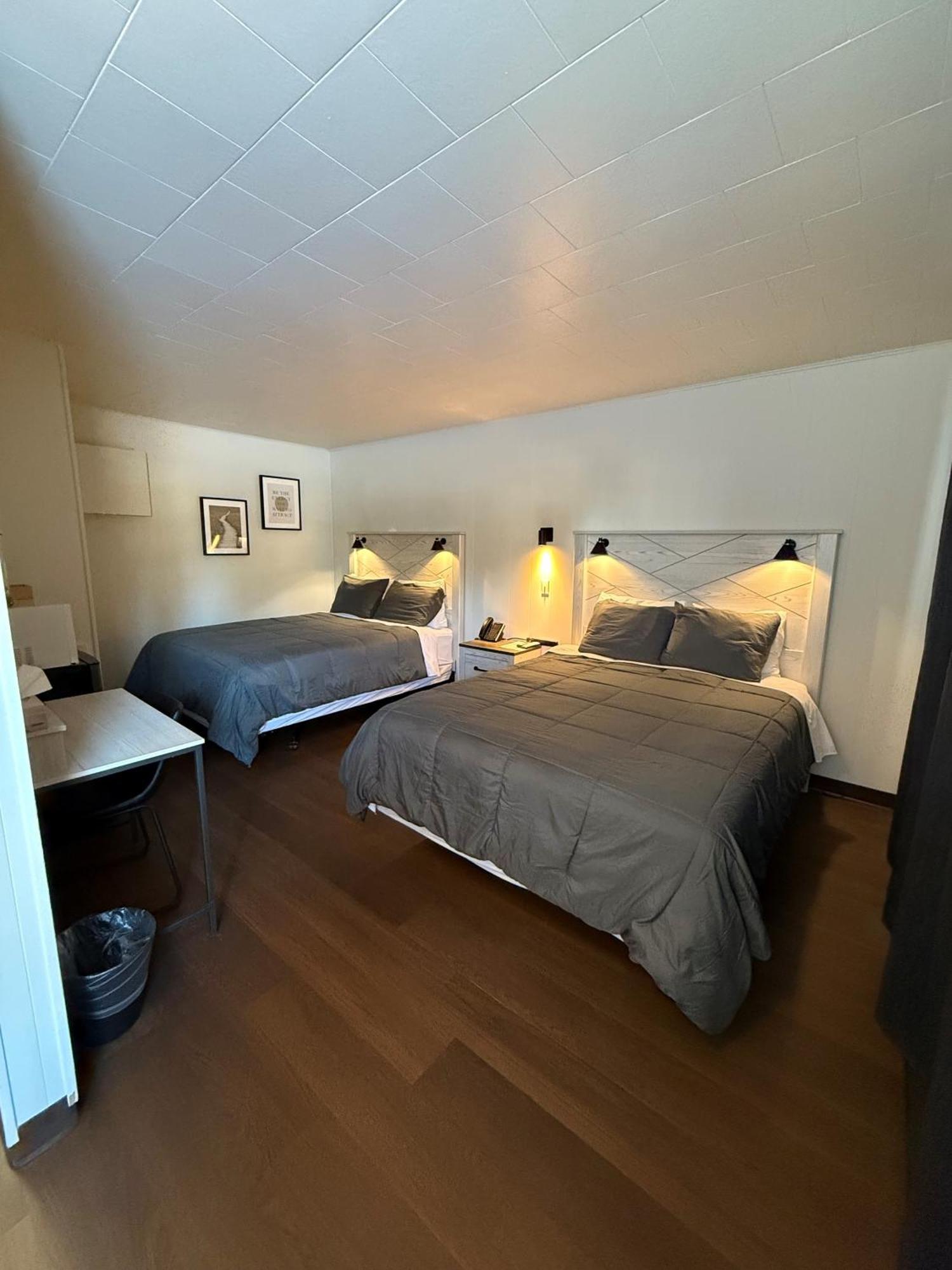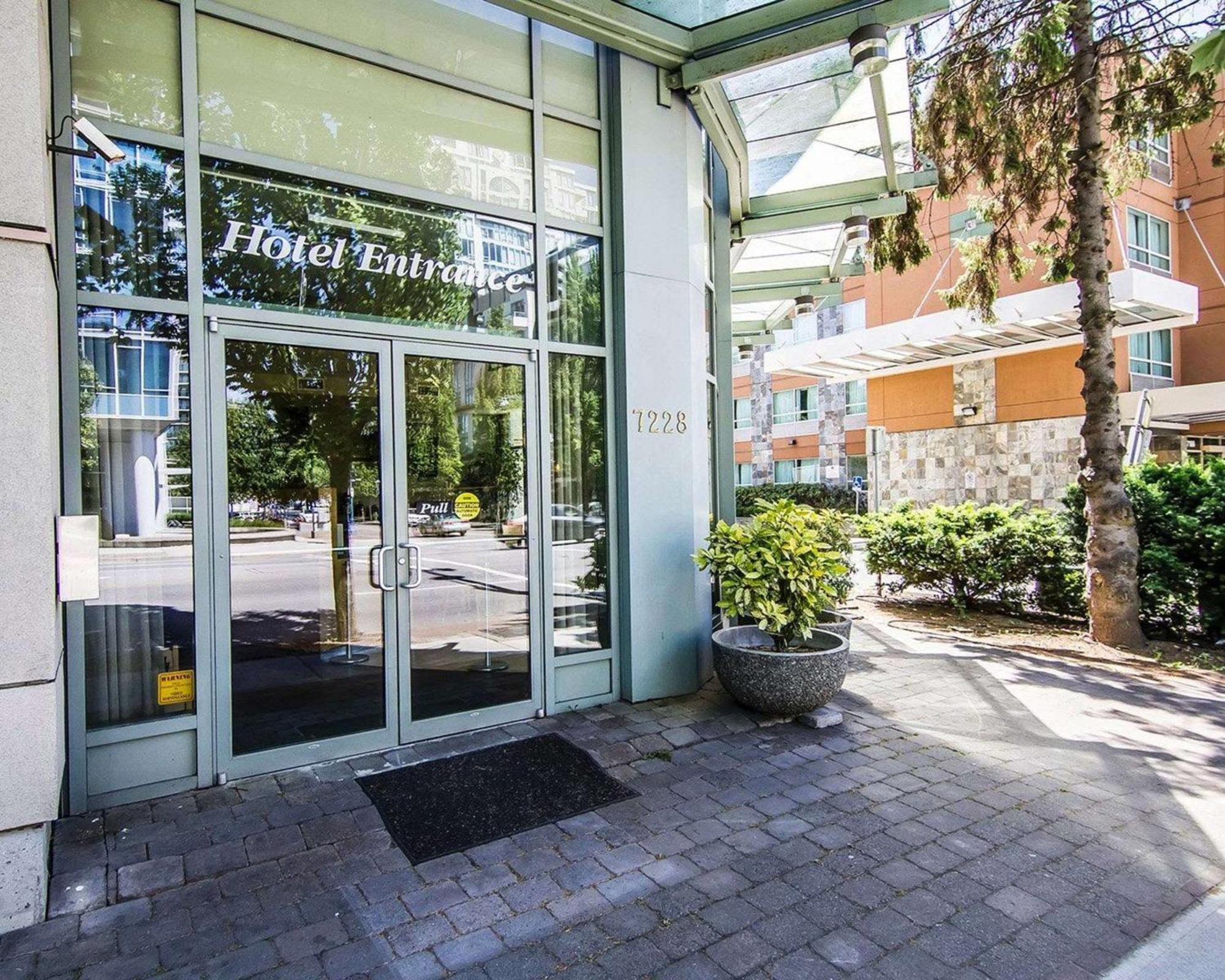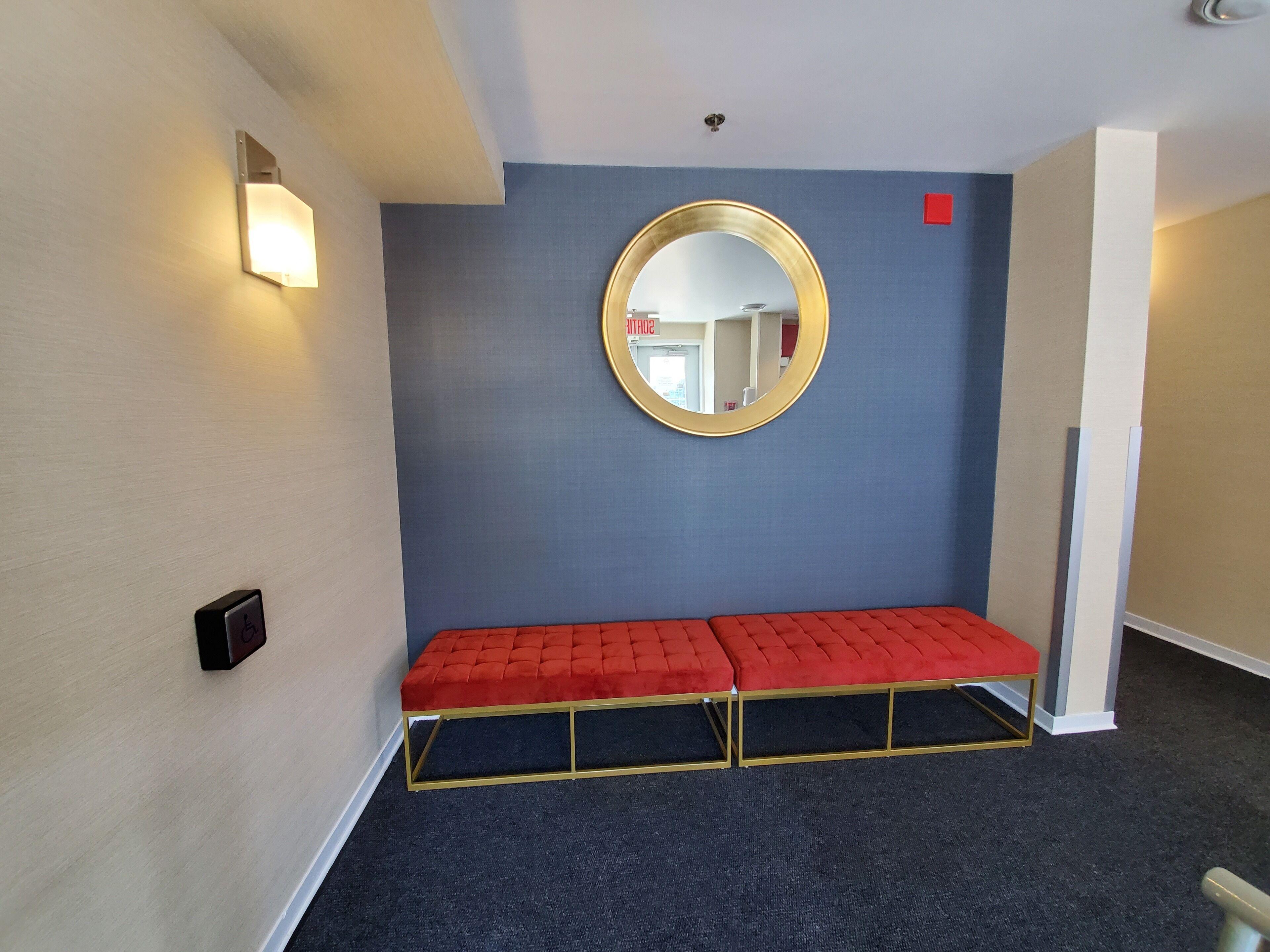
Manitoba stretches from the prairies of the south to the subarctic tundra of the north, making your choice of base critical to what you can actually experience during your stay. Whether you're chasing polar bears in Churchill, exploring Riding Mountain National Park, or road-tripping along the Trans-Canada Highway, the province rewards travelers who pick centrally located hotels that reduce daily driving and keep key attractions within reach. This guide covers 9 central hotels across Manitoba's most strategic towns - from Neepawa and Morden to Thompson and Flin Flon - so you can compare, decide, and book with confidence.
What It's Like Staying in Manitoba
Manitoba is one of Canada's most geographically diverse provinces, and that diversity directly shapes how you need to plan your accommodation. The south is agricultural and relatively flat, with towns like Morden, Altona, and Boissevain serving as practical bases for exploring the prairies and provincial parks. Getting around Manitoba without a car is nearly impossible outside of Winnipeg - distances between towns can exceed 200 kilometres, and public transit between communities is virtually nonexistent. Travelers who embrace a road-trip mindset and choose centrally located hotels in the towns closest to their target attractions will get the most out of Manitoba's wide-open spaces.
Crowds are rarely an issue in most of Manitoba's smaller towns, but Churchill is a notable exception - polar bear season in October and November fills accommodation weeks in advance. The province suits nature-focused travelers, wildlife enthusiasts, and road-trippers far more than urban itinerary seekers.
Pros:
- Central hotels in towns like Neepawa and Boissevain put you within driving range of Riding Mountain National Park and Spruce Woods Provincial Park without the premium of Winnipeg pricing
- Low crowd density across most of the province means you get genuine access to landscapes without competition for parking, trails, or restaurant seats
- Manitoba's flat highway network makes navigation straightforward - most cross-province routes follow well-maintained Trans-Canada corridors
Cons:
- A rental car is not optional - without one, your hotel becomes a stranded base with little walkable access to attractions
- Northern destinations like Churchill and Thompson have very limited accommodation inventory, which drives up rates and reduces flexibility during peak wildlife seasons
- Manitoba winters are severe, with temperatures regularly dropping below -30°C in the north, making travel logistics more complicated from November through March
Why Choose Central Hotels in Manitoba
Central hotels in Manitoba's smaller towns are not just a budget alternative - they are often the only practical option for reaching the province's most compelling natural attractions. Unlike Winnipeg-based hotels, which add significant highway time to any park or wildlife destination, a centrally placed property in Neepawa, Thompson, or Churchill puts you where the actual experience happens. Rates at central hotels in Manitoba's towns run significantly lower than Winnipeg equivalents, often around 40% less per night, while offering comparable or better access to the province's signature landscapes. The trade-off is a more limited dining and nightlife scene - most towns have a handful of restaurants and rely on hotel bars or in-room facilities for evening options.
Room sizes at these central properties tend to be generous by Canadian standards, with most motels and inns offering larger footprints than urban hotels. Free parking and free WiFi are near-universal across Manitoba's central hotels, which meaningfully reduces daily travel costs when you factor in the distances involved.
Pros:
- Central positioning in towns like Neepawa or Flin Flon cuts 2 or more hours of daily driving compared to staying in Winnipeg for the same destinations
- Free parking is standard across virtually all properties, eliminating a cost that adds up quickly on multi-day road trips
- Many central hotels include breakfast, business facilities, or in-room kitchen equipment that reduce dependence on local restaurant availability
Cons:
- Evening entertainment options are minimal - most towns have one or two restaurants and limited retail, meaning you need to plan meals in advance
- Some properties in northern Manitoba (Thompson, Churchill) are older and show wear consistent with remote-area infrastructure constraints
- Last-minute bookings during peak seasons - polar bear season in Churchill, summer park weekends near Riding Mountain - can leave you without central options and force a much longer commute
Practical Booking & Area Strategy for Manitoba
Manitoba's geography divides naturally into three booking zones: the southern agricultural belt (Morden, Altona, Boissevain), the central corridor (Neepawa, Brandon area), and the northern remote tier (Thompson, Churchill, Flin Flon). The central corridor around Neepawa is the strongest all-round base - it sits within 80 kilometres of Riding Mountain National Park, 98 kilometres of Spruce Woods Provincial Park, and within manageable reach of Brandon without Winnipeg's urban pricing. For the southern zone, Altona and Morden make sense if your itinerary focuses on the International Peace Garden, Pembina Valley, or the Mennonite Heritage Village. Churchill demands dedicated trip planning: Churchill Airport connects directly to Winnipeg, and flying in is more practical than driving the 1,600-kilometre road route. For wildlife-focused travelers, booking Churchill accommodation alongside your flights - at least 6 weeks ahead during polar bear and beluga whale seasons - is non-negotiable. Matlock, on the shores of Lake Winnipeg, is an underrated base for summer visitors focused on beach access and cycling around the Interlake region.
Best Value Stays
These properties deliver strong location advantages and solid practical facilities at accessible price points - ideal for road-trippers and nature-focused travelers who want a reliable base without overspending on accommodation.
-
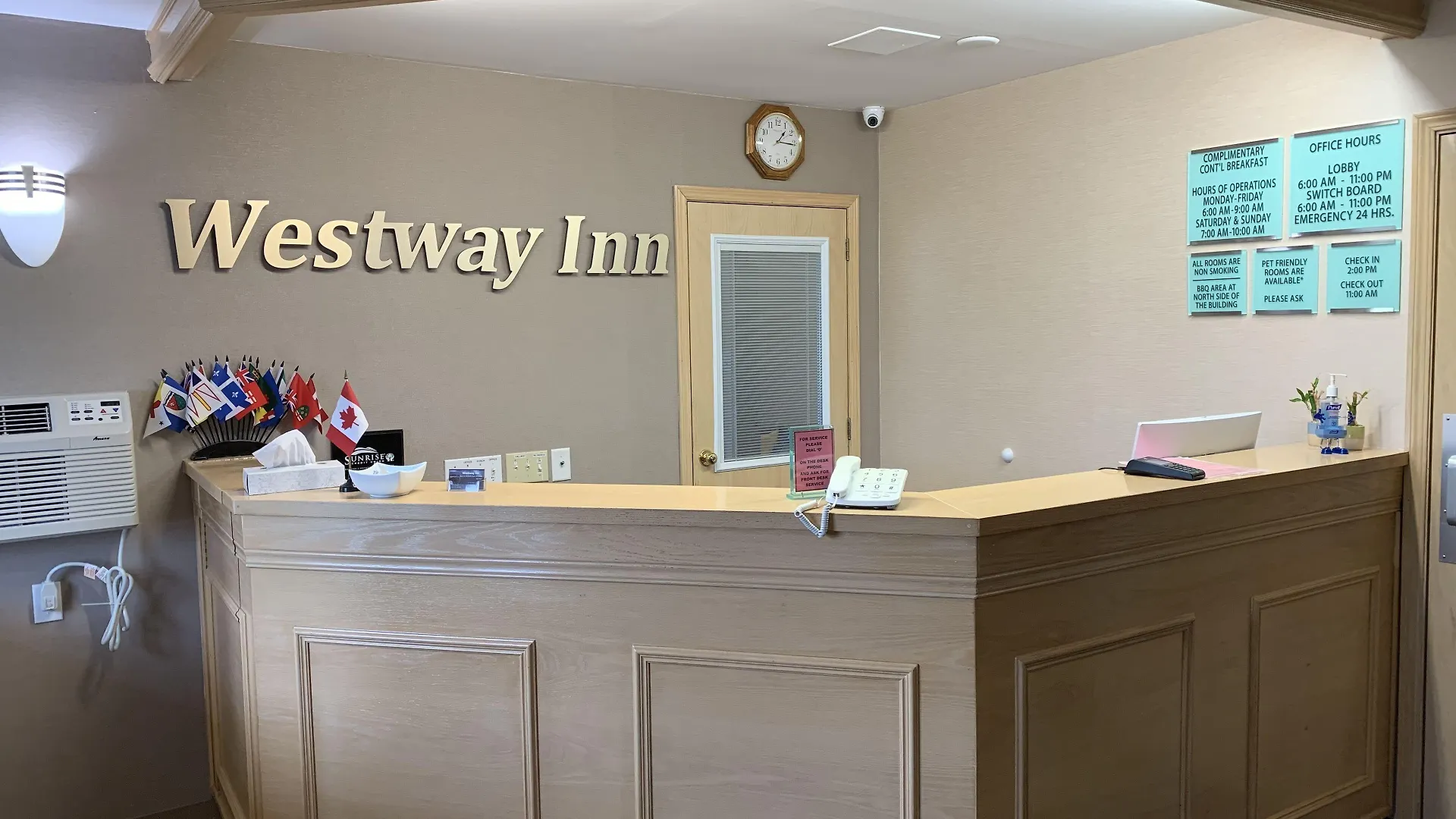
1. Westway Inn Motel
Show on map


 Check-infrom 14:00 until 23:59Check-outuntil 11:00
Rooms filling fast – secure the best rate!
fromC$ 108
-
2. Thompson'S Best Value Inn & Suites
Show on map


 Check-infrom 15:00 until 23:59Check-outuntil 11:00
Just a few rooms left at the best rate!
fromC$ 128
-
3. Royal Hotel
Show on map


 Check-infrom 15:00 until 23:59Check-outuntil 11:00
Just a few rooms left at the best rate!
fromC$ 105
-
4. The Home Hotel
Show on map


 Check-infrom 15:00 until 23:00Check-outfrom 07:00 until 11:00
Best price guarantee
fromC$ 99
-
5. Vivian Motor Hotel
Show on map


 Check-infrom 15:30 until 22:30Check-outfrom 09:00 until 10:00
Rooms filling fast – secure the best rate!
fromC$ 58
Best Premium & Distinctive Stays
These properties offer standout features - whether a lakefront setting, a full resort facility set, wildlife-zone access, or bed-and-breakfast character - that justify a higher per-night investment or a more deliberate trip structure.
-
6. Bear Country Inn
Show on map


 Check-infrom 15:00 until 23:59Check-outuntil 10:00
Hurry – almost gone at this price!
fromC$ 246
-
2. Bellas Castle
Show on map


 Check-infrom 15:00 until 23:59Check-outuntil 11:00
Best price guarantee
fromC$ 126
-
3. Altona Hotel
Show on map


 Check-infrom 15:00 until 23:59Check-outuntil 11:00
Hurry – almost gone at this price!
fromC$ 110
-
4. Aaron'S On The Lake
Show on map


 Check-infrom 16:00 until 20:00Check-outfrom 08:00 until 11:00
Just a few rooms left at the best rate!
fromC$ 173
Smart Travel & Timing Advice for Manitoba
Manitoba's travel calendar splits clearly by region and activity type. July and August are peak season across all of southern and central Manitoba - Riding Mountain National Park, Spruce Woods, and Lake Winnipeg all see their highest visitor numbers, and hotel rates at properties like Westway Inn Motel and Aaron's on the Lake reflect that demand. Book at least 4 weeks in advance for summer weekends near any provincial park. The shoulder season of May-June and September-October offers significantly lower rates and thinner crowds in the south, with acceptable weather for hiking and driving itineraries. Northern Manitoba runs on a completely different calendar: Churchill's beluga whale season peaks in July and August, while polar bear season dominates October and November - both periods see Bear Country Inn book out rapidly, and last-minute availability is nearly impossible. Winter travelers to the north should plan for operational disruptions, as ice roads, flight cancellations, and extreme cold (-40°C or lower) require contingency days built into any itinerary. For Flin Flon, Thompson, and the northern tier, three to four nights is the practical minimum to justify the travel investment to reach the area. Two nights is sufficient for a focused park visit from Neepawa or a lakeside stay in Matlock. For Churchill, plan a minimum of four nights to allow for weather delays and maximize wildlife viewing windows.